
REASONS TO BUY
Reasonable initial purchase price
No paid subscription
Uses proven global network
Compact
REASONS TO AVOID
No non-emergency messaging

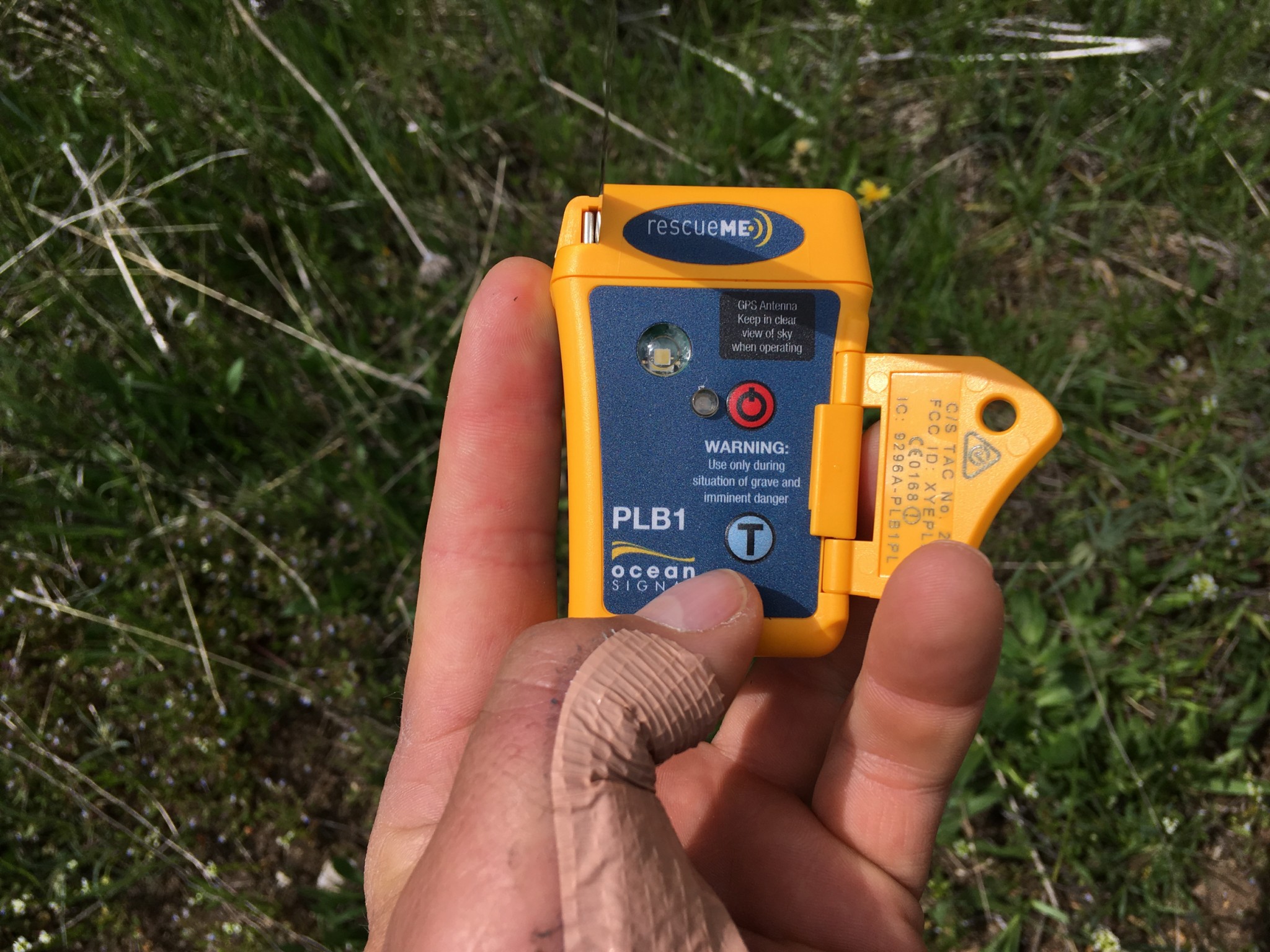

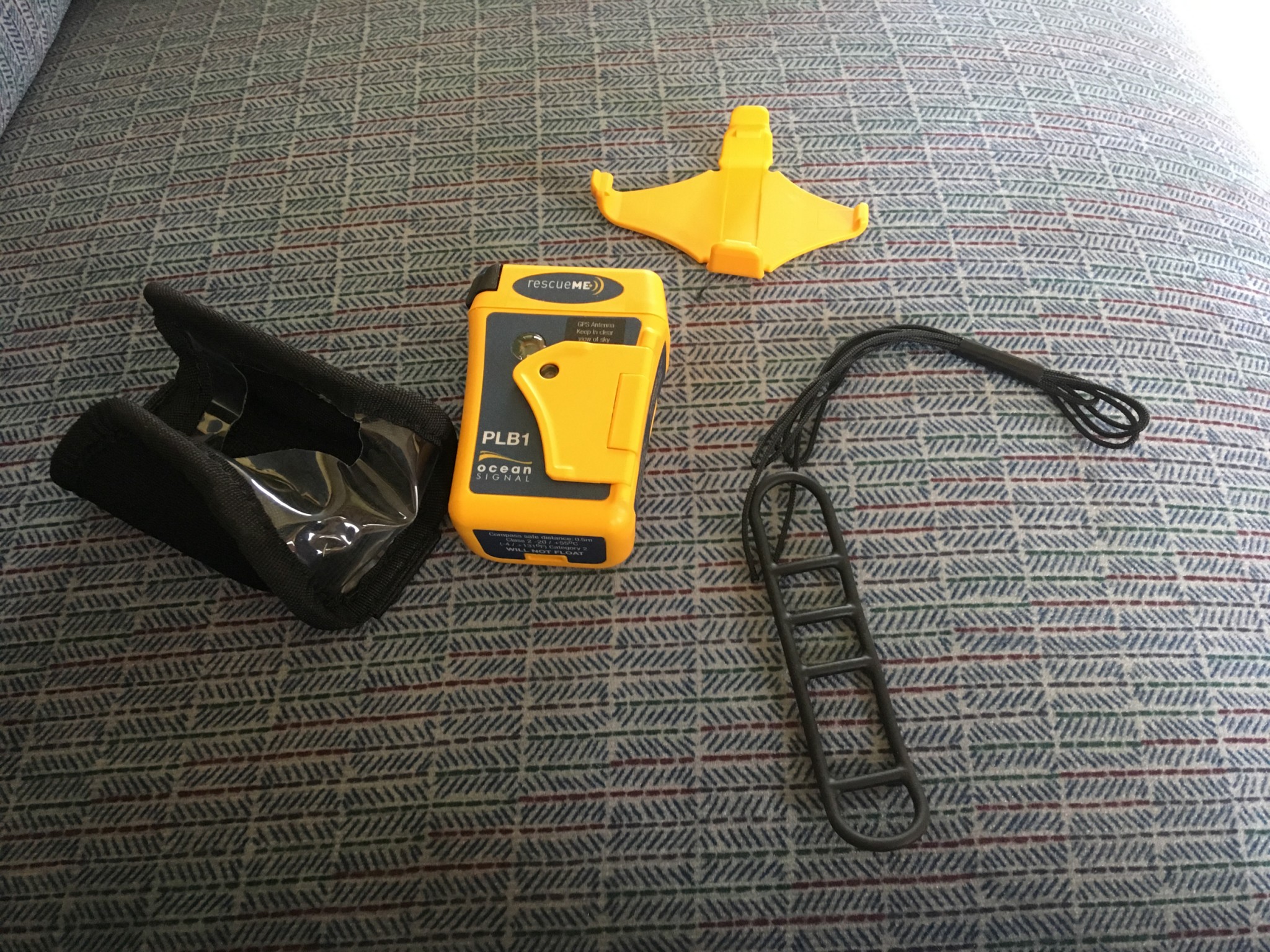
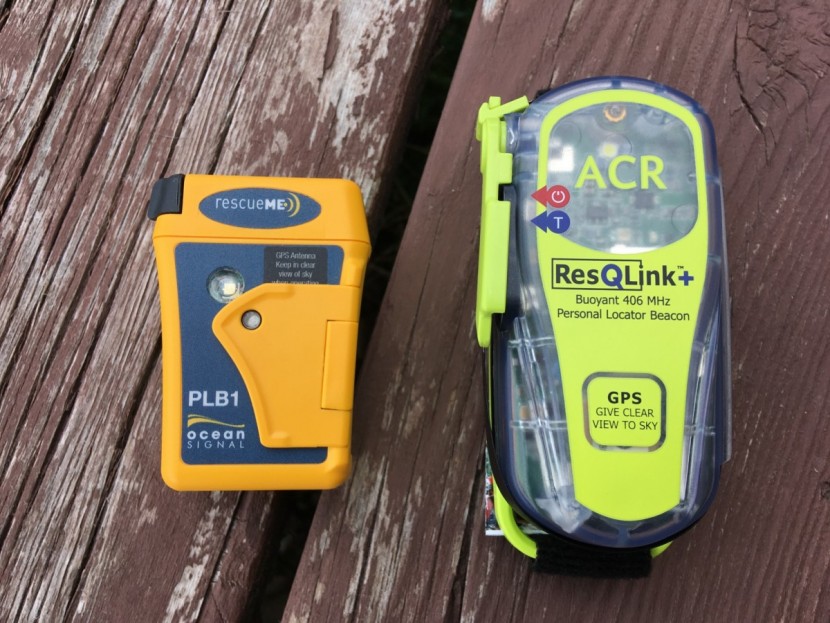
Ocean Signal makes what is likely the world's smallest satellite-linked personal locator beacon. Employing the proven COSPAS/SARSAT international SAR technology and protocol, the PLB1's emergency messaging has a long track record. It is affordable, requires no paid subscription, and is half the bulk of its next closest competitor. For these reasons, it earns one of our Best Buy awards. You will choose this if you want ultra simple emergency SOS function or if you want redundancy with another device you might already have in the group. Smartphones are starting to add built-in emergency SOS functionality that, at first glance, seems the same as that provided by the PLB1. No smartphone, yet, offers Satellite SOS function that covers as much of the earth as the PLB1 does.
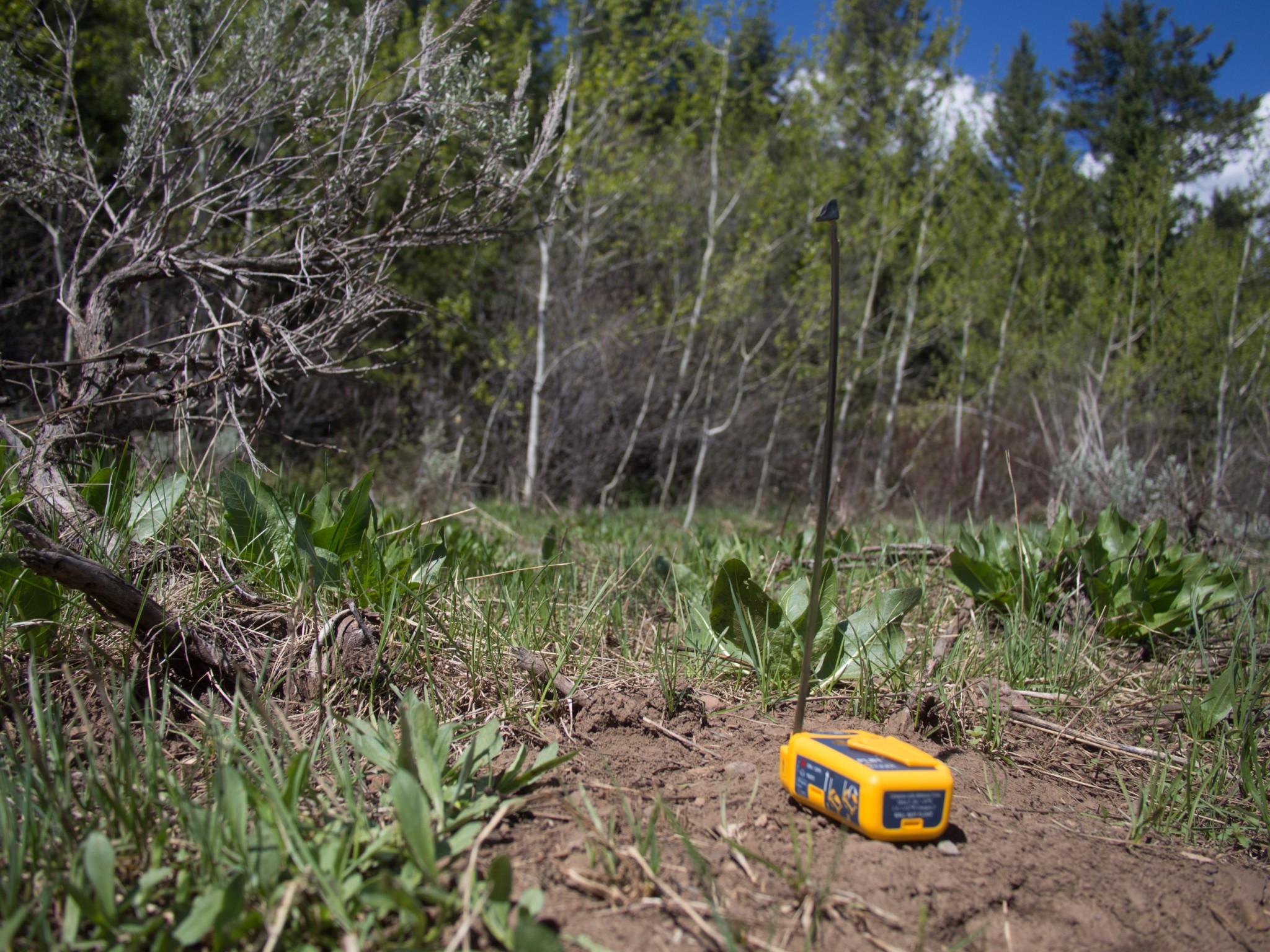
The singular purpose of the rescueME is to send an emergency signal. To do so, it uses a proven — and free — global service. You buy the device, and the device taps into the COSPAS/SARSAT search and rescue satellite network, which covers the entire globe. If your device can “see” enough of the sky to connect to satellites, you can press the SOS button anywhere on Earth and expect the device to get a signal out.
That signal, containing identity and location data, will go to a satellite, back to a ground station, and eventually to the national agency with which you registered your device. In the US, you register with the National Oceanic and Atmospheric Administration (NOAA). (Instructions for free US registration are included with the PLB1.) The agency will then work to secure the most effective local resources, given sociopolitical and economic realities, terrain, and weather conditions. Up to the point that local resources are activated, the service is free. Local SAR resources and their costs vary significantly around the world.
There is currently no non-emergency messaging option with the rescueME PLB1. This is a situation common to all devices that use the COSPAS/SARSAT network and dispatch system. For non-emergency messaging, you must choose a different device and purchase a subscription that costs way more than the free registration of the PLB1.
Ocean Signal's parent company ACR-Artex offers a service that provides very rudimentary non-emergency messaging from devices like, and including, the rescueME PLB1. That service, called 406Link, is explained best in ACR's marketing materials. With this service and a small fee, owners of the PLB1 are offered a very significant perk. 406Link allows for the sending of a few very basic “I'm OK” type messages. This non-emergency messaging function we cite is definitely a sort of “off label” use of the PLB1. It consumes non-rechargeable battery power and leverages a sort of “test” procedure option in the COSPAS/SARSAT satellite communication protocol. This service has come and gone from the ACR menu. Proceed with caution.
The COSPAS/SARSAT system covers the entire world. Of course, as noted above, all satellite communications are vulnerable to terrain, forests or buildings, and electronic interference. The PLB1 is just as vulnerable to this as any other device. With a two-way communication device, you learn, while sending and receiving routine messages, what sorts of terrain will have a good signal. In the unlikely event that you need to send an emergency message, you can use that knowledge. With the PLB1, you won't have that opportunity to learn. Just realize that it will only work with a pretty wide view of the sky.
Coverage for all COSPAS/SARSAT devices is precisely the same as it is for this one. The Iridium network employed by the others is worldwide as well, but it uses different satellites. The coverage of the Iridium Network will interact with local terrain differently than that of the COSPAS/SARSAT system. The GlobalStar network used by still others is not worldwide but seems to cover much of the territory that most American adventurers visit.
The rescueME PLB1 is easy to use. Set-up requires you fill out an online form and mount a mailed sticker. You can make some changes to your registration if needed, but you are then good to go for two years. You renew, for free, every two years. If you have a life-threatening emergency, there are basic activation instructions printed right on the device housing.
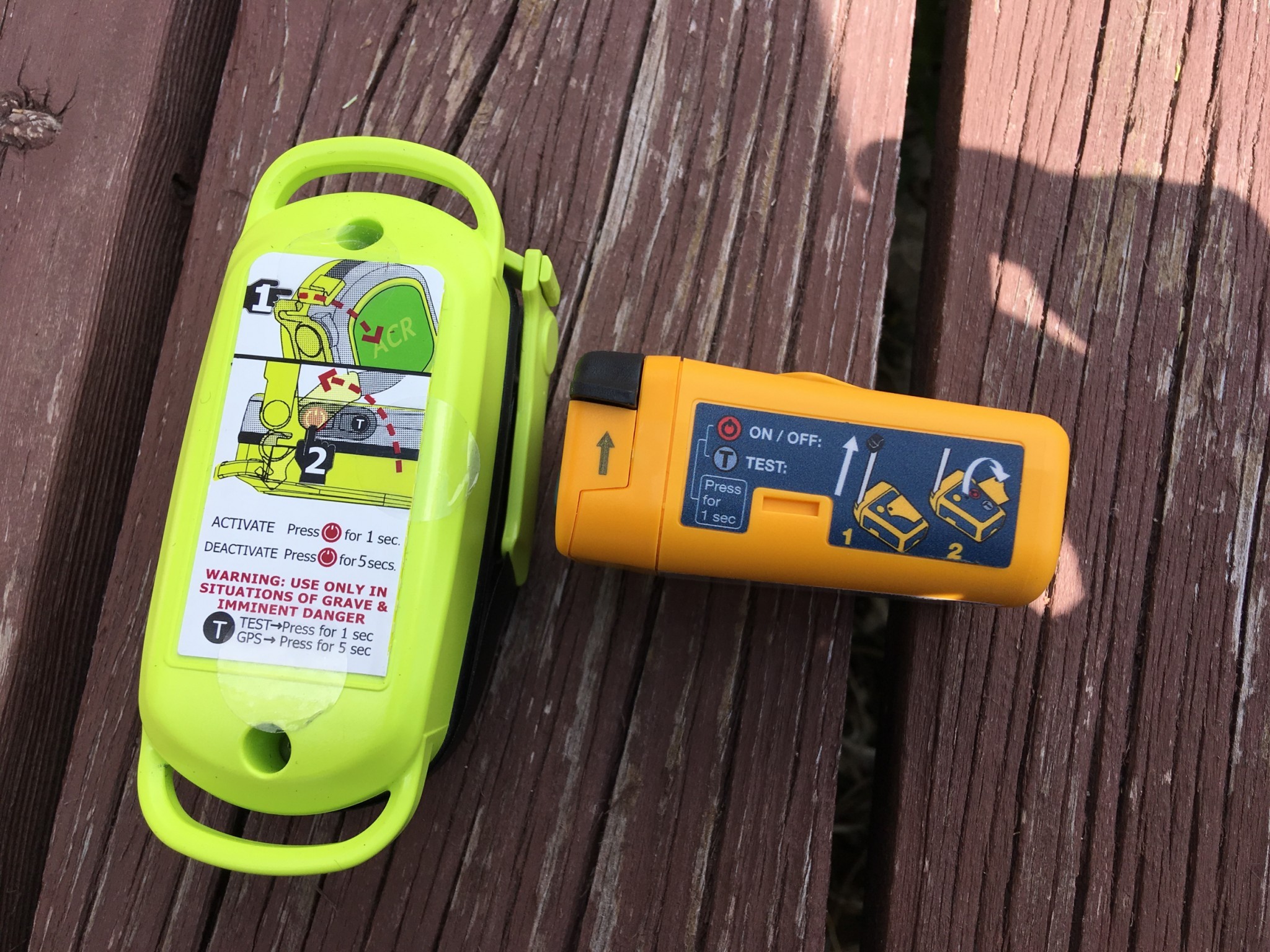
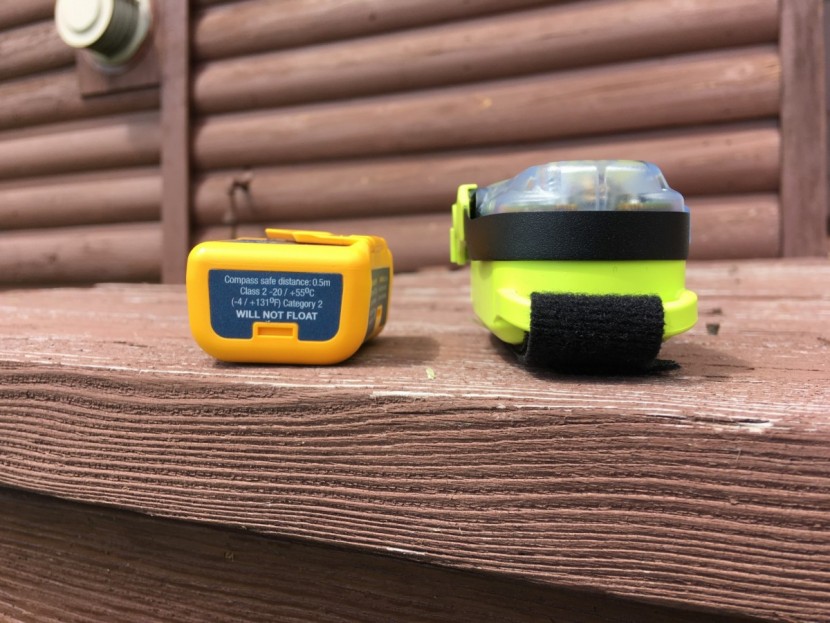
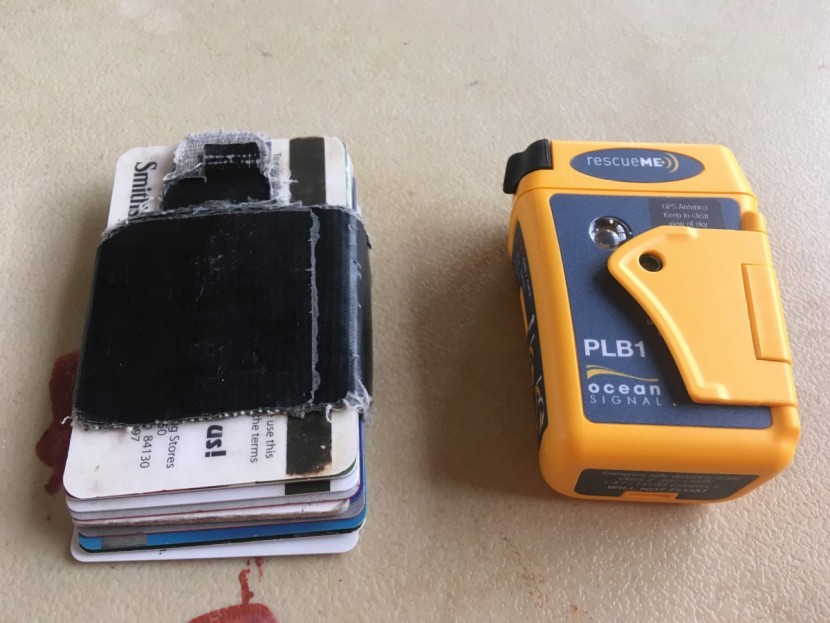
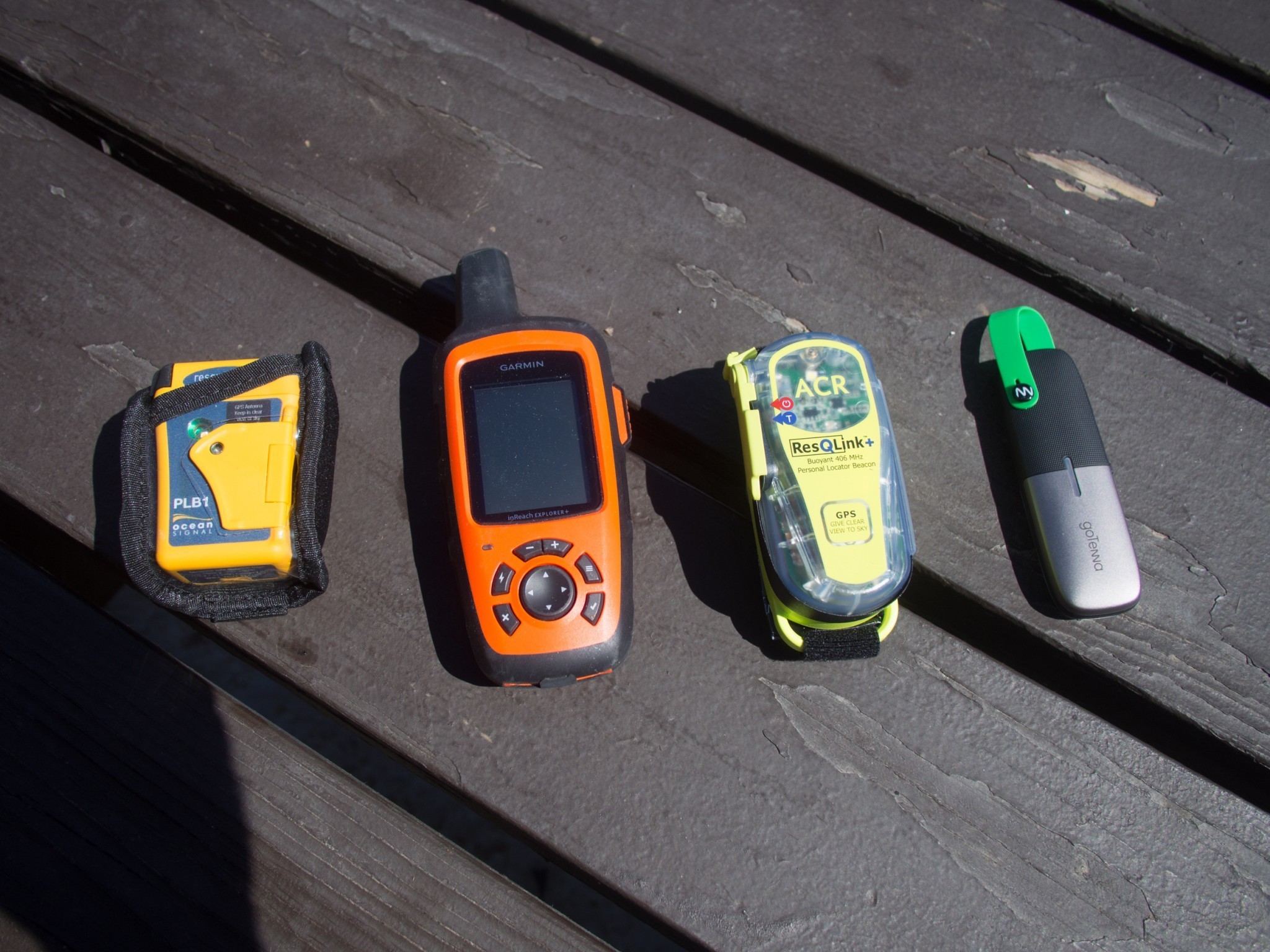
Th PLB1 is one of the most portable devices in our review. Weighing just 4 ounces with batteries and measuring a mere 3 x 2 x 1.3 inches, this is about as light and compact as you can get.
Our testers find that the tiny stature of the PLB1, in addition to its budget price point, encourages carriage of emergency satellite communications on every adventure. Even in the most mundane of positions and trips, the PLB1 can be tucked into a pants pocket or purse.
This is a compact, inexpensive way to have a “y'all come” button in your wilderness kit. It does nothing more than activate SAR in a dire emergency. If that is all you want, get this thing. Some of our testers are carrying this device as a back up to their primary, two-way satellite communication product. In the most remote, most serious settings, everyone's peace of mind is improved with this sort of redundancy.
| Awards |  Great Value for SOS Only |
|---|---|
| Price | $395 List Check Price at REI |
Overall Score  |
|
| Star Rating | |
| Bottom Line | This device provides a compact and affordable “help me” button in your pocket |
| Pros | Reasonable initial purchase price, no paid subscription, uses proven global network, compact |
| Cons | No non-emergency messaging |
| Rating Categories | Ocean Signal rescueM... |
| SOS/Emergency Messaging (25%) | |
| Non-Emergency Messaging (25%) | |
| Signal Coverage (20%) | |
| Ease of Use (15%) | |
| Portability (15%) | |
| Specifications | Ocean Signal rescueM... |
| 2-way Messaging? | No |
| Satellite Network | COSPAS/SARSAT |
| Battery Life | 24 hours |
| Passive Tracking (turn on and forget about it - viewers at home can watch your progress on the web) | No |
| Measured Weight | 4.0 oz |
| 2-way Messaging Available via Cellular/Wifi? | No |
| Custom Messaging Viewable and Composable on Device? | No |
| Waterproof Rating | No Formal Rating. Likely exceeds rating system. Claimed "Up to 15 meters" |
| Pairs with Smartphone? | No |
| Requires recipient to use a special app for two-way communications? | N/A |
| On Device Functions (if you lose or disable your smartphone) | All. |
| Dispatch service | COSPAS/SARSAT |
| Dimensions | 3.0" x 2.0" x 1.3" |
| Volume | 6.8 CU IN |